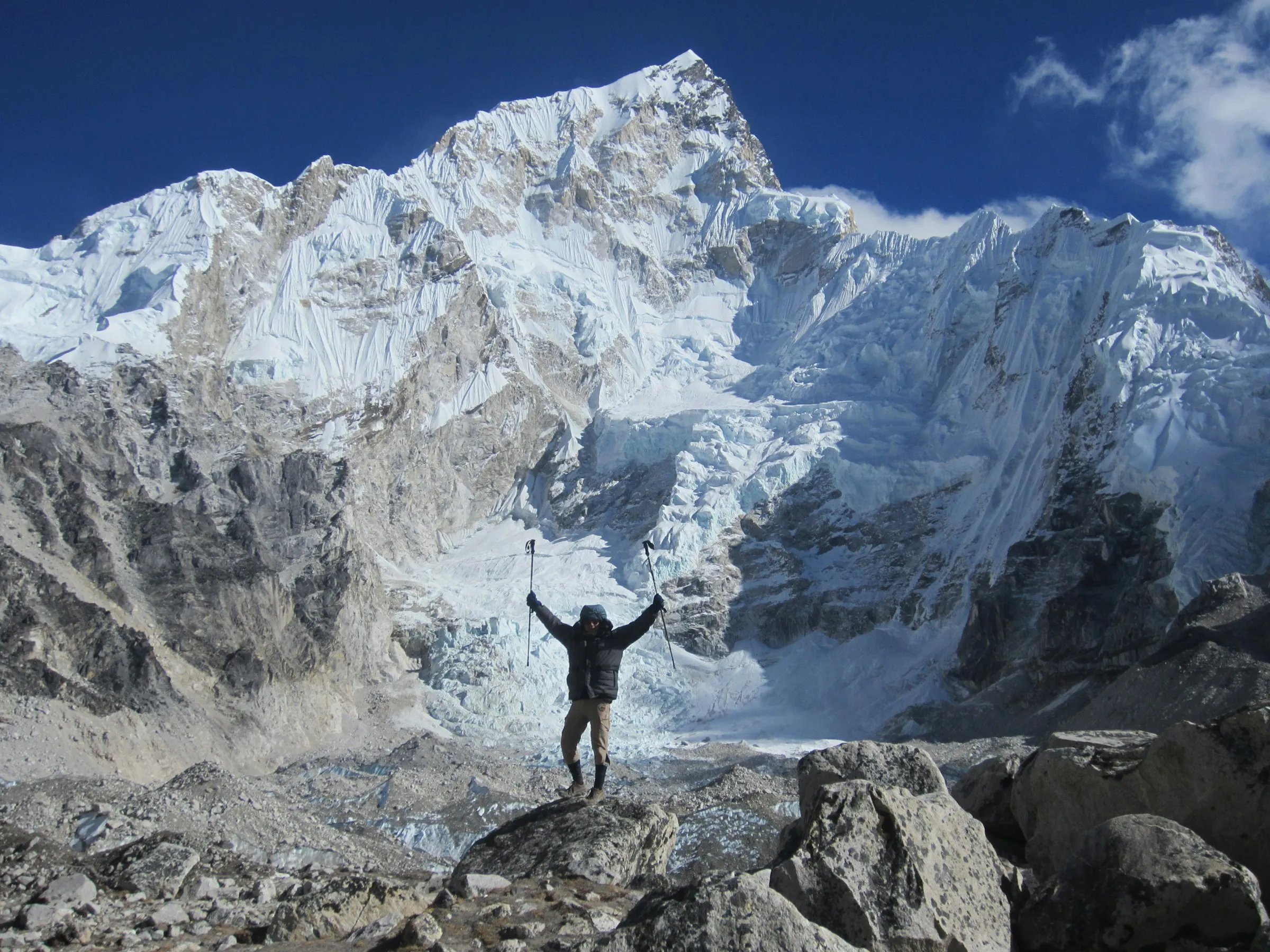
Altitude sickness can affect anyone above about 2,500 m, whatever their age or fitness. The good news is that a few simple rules prevent most problems.
The rules
- Go up slowly. Above 3,000 m, try not to raise the height you sleep at by more than about 500 m a day, with a rest day every three to four days.
- Climb high, sleep low. On rest days, walk higher in the afternoon and come back down to sleep.
- Never go higher with symptoms. A headache plus nausea, dizziness, unusual tiredness or poor sleep means stop and wait until it clears.
- Go down if it gets worse. Descending even a few hundred metres usually helps quickly.
- Don’t hide it. Tell your guide how you feel, every evening. They see it all the time.
Danger signs
Breathlessness at rest, a wet cough, confusion, or stumbling and clumsiness can mean fluid on the lungs or brain. This is an emergency: descend immediately and get medical help.
Medicine
Some trekkers take acetazolamide to help prevent altitude sickness. Talk to your doctor before you travel; it isn’t right for everyone, and it doesn’t replace going slowly.
See how our itineraries handle acclimatisation on the compare page, and read our altitude and evacuation approach.